The condition of your hair depends not only on what you eat, but even more on how much of that food you actually absorb.
When planning your diet, think about protein, vitamins, minerals and healthy fats, which protect your hair from dryness, brittleness, stunted growth and even hair loss. Then make sure you eat enough of these important nutrients. If your diet is fine and your hair still leaves a lot to be desired, take special care of your gut and your whole digestive system!
Perhaps your stomach is not acidic enough – and, as we know, that is where proteins are digested, and proteins are made of amino acids (hair consists mainly of a protein called keratin).
When the gut flora is disturbed, digestion automatically gets worse and the ability to absorb nutrients decreases.
At first this may go unnoticed – as long as the body keeps drawing on its reserves of vitamins and minerals. Over time, however, the first signs of deficiency appear, and very often these are the poor condition and appearance of our hair and skin.
Another cause of poor hair condition and heavy hair loss may be an UNDERACTIVE THYROID (or thyroid problems in general).
What to eat for beautiful, healthy hair…
1. Protein
Chicken, turkey (good quality), fish, dairy, eggs, pulses and nuts.
Eating enough protein is crucial, because your hair is made of protein. A diet lacking in protein will make hair dry, brittle and weak. Extremely low protein intake can inhibit hair growth and even cause hair loss and greying.
2. MSM
Sulphur occurs naturally in our bodies and in some plants. Sulphur supports the production of keratin and collagen, the fundamental building blocks of hair, skin and nails. It is rich in cysteine, a key element responsible for rebuilding connective tissue, skin, bones and hair.
Foods rich in MSM include:
broccoli, cauliflower, kale, onion, garlic, asparagus.
3. Omega-3
Oily fish such as salmon, herring, sardines, trout and mackerel.
Plants, including avocado, pumpkin seeds and walnuts.
Omega-3 fatty acids reach the hair shafts and the cell membranes in the scalp, nourishing the hair follicles and supporting healthy hair growth. They also make hair more elastic and help prevent hair loss. In addition, they keep the scalp and hair moisturised. Your body does not produce these fatty acids, so getting enough omega-3 from your diet is extremely important.
4. Vitamin A
Carrots, pumpkins and sweet potatoes.
Orange and yellow vegetables are rich in beta-carotene, which, once absorbed, is converted into vitamin A with the help of liver enzymes and unsaturated fatty acids – and the body needs vitamin A to produce sebum. Sebum is a natural conditioner for a healthy scalp. A lack of sebum can cause an itchy scalp and dry hair. Why? Sebum is a mixture of fats with a specific composition. Together with sweat it forms the skin's protective layer, slowing water evaporation and preventing excessive penetration of water into the skin.
5. Zinc and selenium
Your scalp needs the protection provided by important minerals such as zinc and selenium. A lack of zinc can cause hair loss and a dry, flaky scalp. Zinc also helps regulate hormones and maintains the activity of the sebaceous glands in the scalp, which supports hair growth.
Selenium is a trace element that helps the body form selenoproteins, which regulate reproduction, metabolism, DNA synthesis and immunity. It also stimulates the hair roots and supports hair growth.
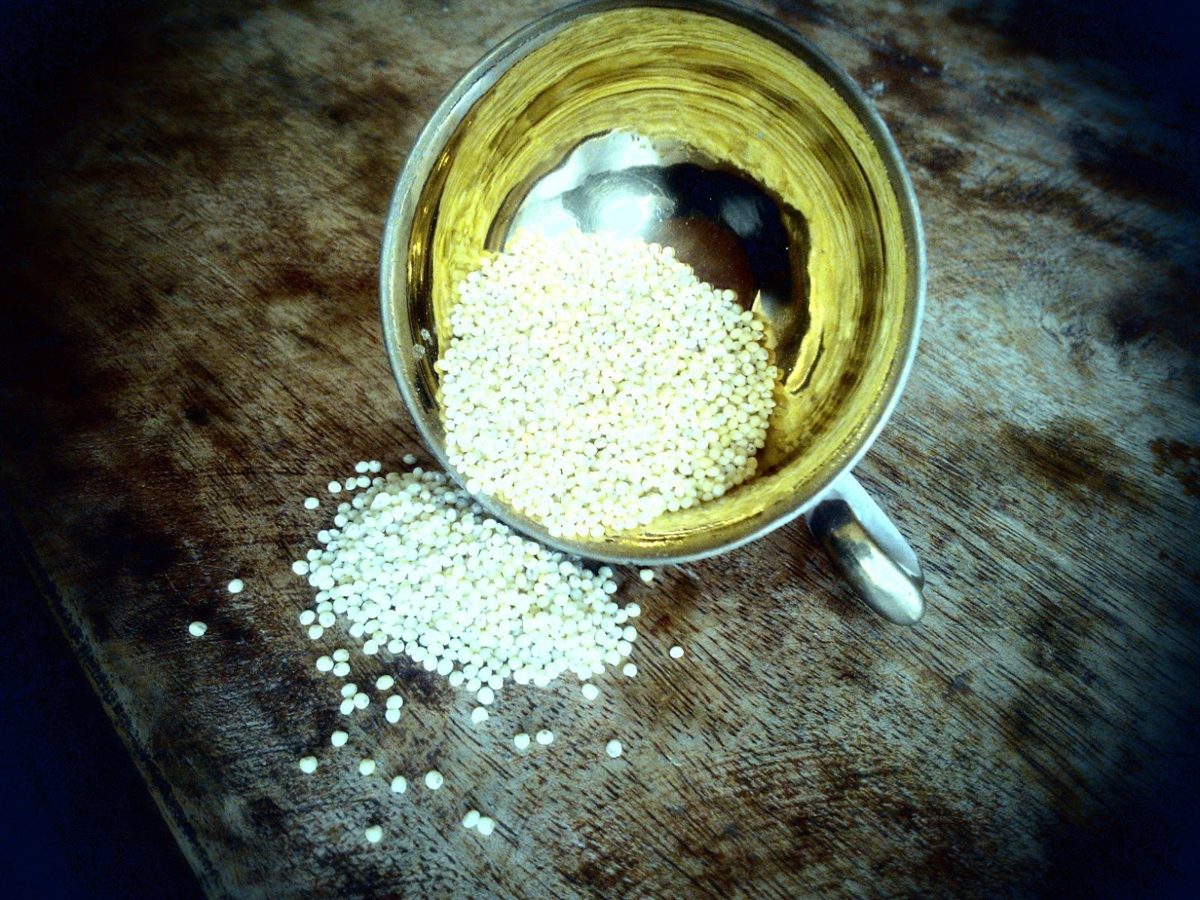
Sources of zinc: chickpeas, wheat germ, parsley, wheat bran, brassicas, cocoa, quinoa, pumpkin seeds.
Sources of selenium: Brazil nuts, tuna, sunflower seeds, liver, heart, pork, beef and veal kidneys, seafood and fish (especially herring), garlic and onion.
6. B vitamins
Biotin, cobalamin and niacin are the most popular vitamins when it comes to rebuilding strong, shiny hair. A lack of biotin leads to brittle hair and hair loss.
Excellent sources of B vitamins are avocado, liver and egg yolk.
7. Iron
Too little of this especially important mineral is a major cause of hair loss. Anaemia, which can develop when your iron levels drop significantly, disrupts the supply of nutrients to the hair follicles.
Sources: red meat, chicken and fish provide iron that is easily available to the body. Other good sources are lentils, spinach and other green leafy vegetables such as broccoli, kale and lettuce.
8. Vitamin E
The sun can damage our hair just as it can damage our skin, so make sure you eat foods rich in vitamin E to protect your hair. Nuts are nutritional powerhouses, providing the zinc and selenium mentioned above as well as vitamin E, so try to include them in a balanced diet.
9. Silicon
Silicon is an element with unique properties. It is responsible for the condition of hair and nails. It also supports the treatment of skin inflammation, acne and rosacea, and speeds up the regeneration of the epidermis, as it takes part in the synthesis of collagen, elastin and hyaluronic acid – the basic building blocks of the skin.
A silicon deficiency can worsen the condition of the skin, hair and nails, showing up as rapid skin ageing and skin problems, excessive hair loss and brittleness, split ends and early greying. A deficiency can also have a negative effect on bones and joints.
The gut is the command centre! It commands our immunity, our health and the condition of our skin and hair. Why? As I mentioned earlier, the gut is the organ responsible for absorbing nutrients.
Your hair gets as much as you manage to absorb, not as much as you eat.
Based on: http://10blogdazdrowie.pl/
This article is for information and education only and does not replace medical advice. Please consult a doctor about any health problem. Legal notice.