Millet
While most of you know semolina from nursery school and buckwheat from old-style milk bars, and some know that pearl barley usually floats in barley soup, few people today know what millet looks and tastes like.
One of the oldest and most basic foods in our part of the world has today become, in a sense, an exotic dish.
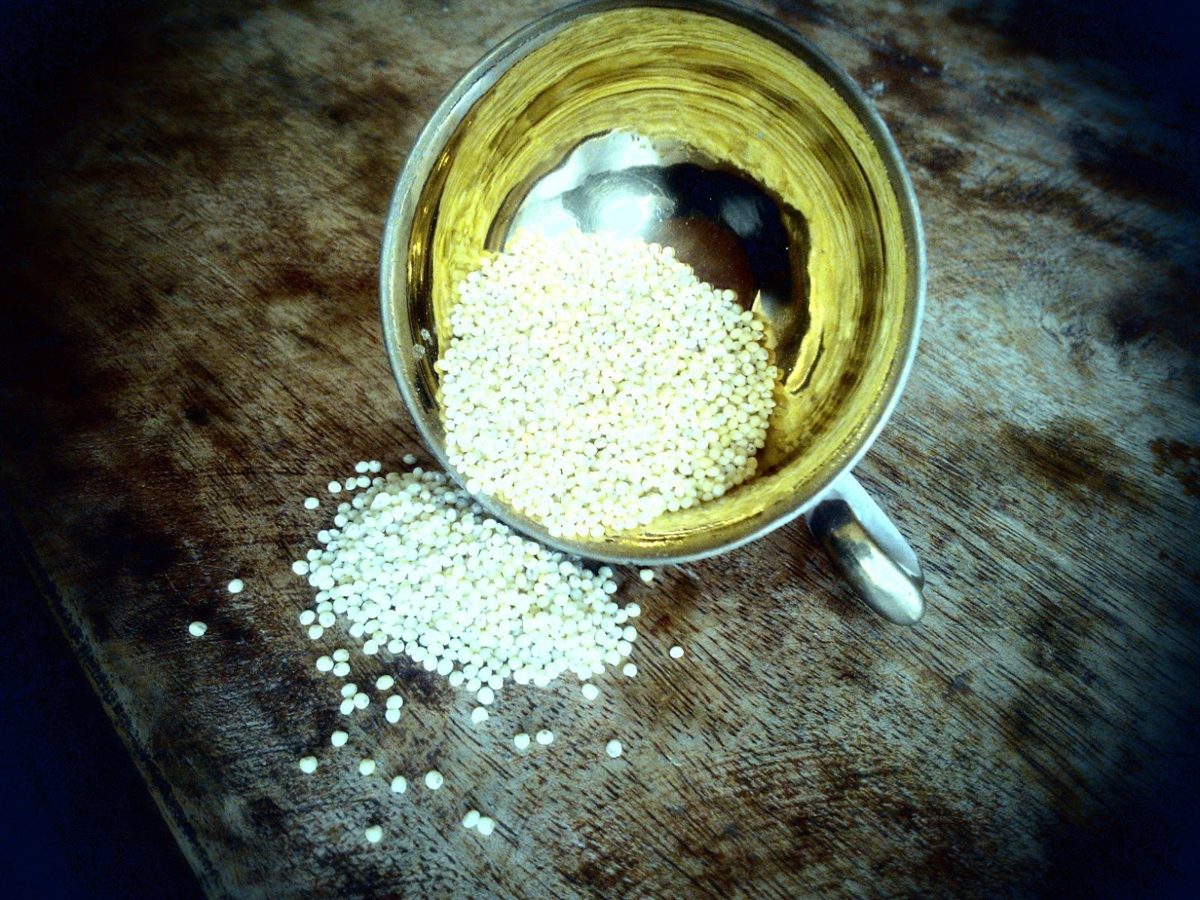
According to Chinese dietetics, foods with a neutral thermal nature are the foundation of a balanced diet. Millet belongs to this group. It strengthens the kidneys, harmonises the spleen and stomach and removes so-called dampness (coldness) from the body, which causes frequent inflammation, including of the upper respiratory tract.
Millet gruel is the best – and sometimes the only – food in many illnesses, even with a cold. Gruels are given to people with diseases of the digestive tract, liver, bile ducts and kidneys, and to patients recovering from surgery. It is an easily digestible dish that also provides carbohydrates.
It is the only grain that is alkalising. It is rich in B vitamins, lecithin, calcium, phosphorus, potassium and iron. It is the best source of iron of all grains. Millet dishes provide excellent, complete protein and are at the same time very easy to digest.
And for beauty: millet contains silica, which is rare in foods and has a beneficial healing effect on the joints, as well as improving the appearance of the skin, nails and hair.
Millet makes excellent bakes:
sweet – with pears, apples, fresh or dried plums,
savoury – with leeks or peppers.
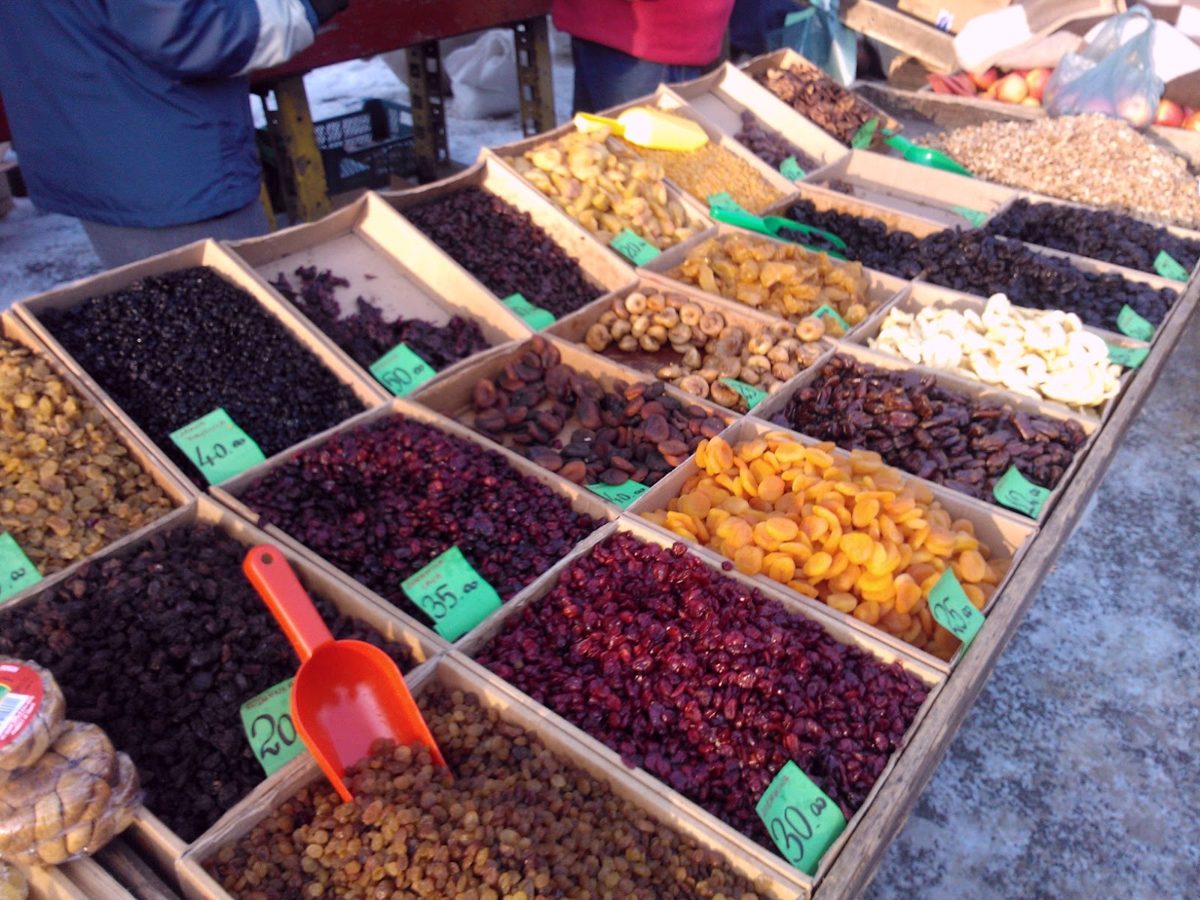
A cream made of millet, apricots and raisins can replace traditional sweets.
Based on:
This article is for information and education only and does not replace medical advice. Please consult a doctor about any health problem. Legal notice.