It is one of the most nutrient-rich bee products.
It improves mood, restores optimism and reduces excessive nervousness.
It contains more easily absorbed vitamins and minerals than any synthetic multivitamin tablet!
The nutritional and therapeutic properties of pollen result from its very rich chemical composition. Among the more than 250 different chemical compounds identified in it are carbohydrates, fats, proteins, minerals, vitamins, rutin, essential oils, phytoncides, antibiotic inhibins, hormones, enzymes, organic acids and growth stimulants.
"Pollen is undoubtedly the most valuable nutritional plant product. After all, it consists of the male reproductive cells of plants, which determine their structure and development. They concentrate all the components that form the basis of the future plant's body." – Cz. Bańkowski ("Farmacja Polska")
Bee pollen is actually flower pollen collected by bees and formed into small pellets called pollen loads. These are not pure pollen, but flower pollen mixed with nectar, honey or bee saliva. This allows the bees to form it into pellets and carry it to the hive on their hind legs.
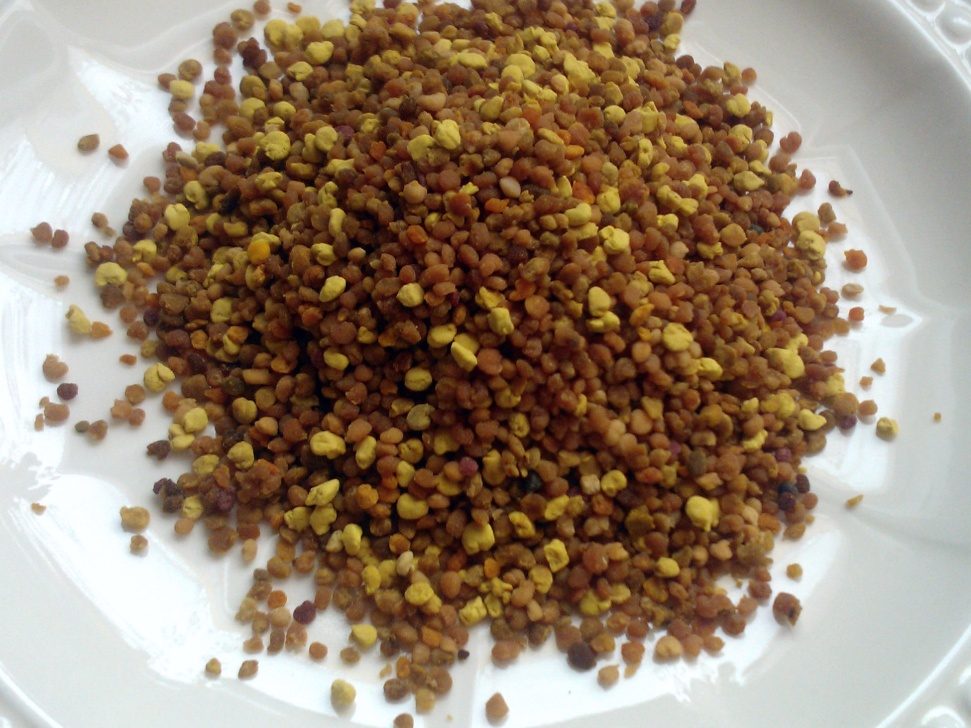
Bee pollen is sometimes recommended during recovery, in states of exhaustion and fatigue combined with reduced drive, for vitamin deficiencies and as protection during antibiotic treatment; it helps prevent premature cell ageing and stimulates the growth of new skin tissue.
- It strengthens, improves wellbeing and energises.
- It regulates digestion, has an anti-inflammatory effect, relieves acute constipation and influences the size and composition of the gut flora.
- It stimulates appetite in children.
- It improves metabolism, including fat metabolism.
- It increases the body's resistance.
- It protects against the effects of oxygen deficiency.
- It improves circulation, counteracting atherosclerotic changes in the cerebral vessels.
- It can be used to help prevent brain haemorrhages and also supports heart function.
- It lowers cholesterol.
- It has a positive effect on prostate inflammation.
- It improves iron absorption and normalises blood parameters, first of all iron and haemoglobin levels. Flower pollen is the safest way of replenishing the body's iron stores orally in anaemias resulting from systemic diseases.
- It has a protective and detoxifying effect on liver cells, protecting the liver from the harmful effects of bacterial and viral toxins and poisons.
- It is regenerating – it improves physical and mental performance (makes it easier to absorb information).
- Bee pollen lowers blood lipids, shortens fibrinolysis time, reduces fibrinogen and reduces platelet aggregation.
- Thanks to its rutin content, it helps prevent the smallest blood vessels from bursting and makes them more elastic.
- Thanks to its cystine content, it is recommended for brittle nails and cracked mouth corners.
It is not toxic, even in case of overdose.
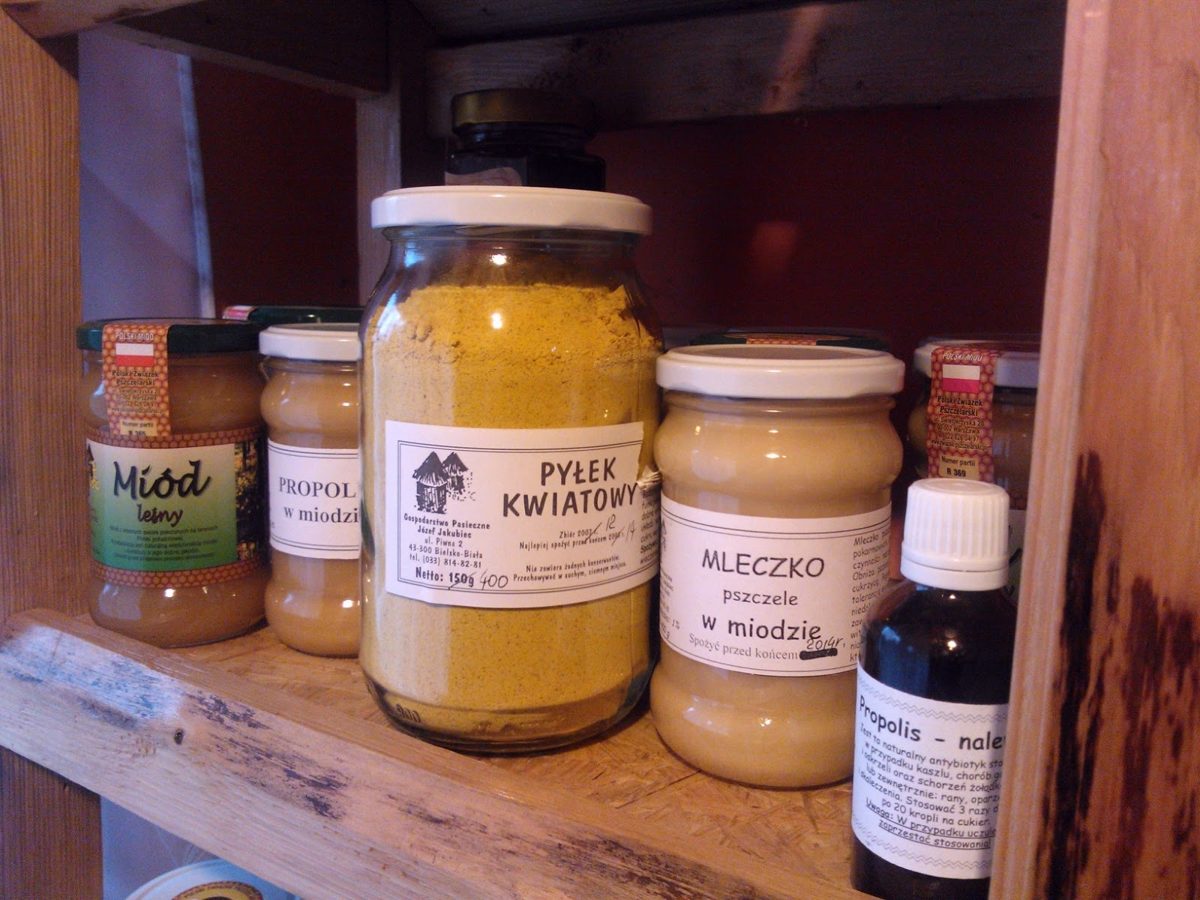
In traditional apitherapy, pollen is used as a supportive remedy for weakness, nutritional deficiencies and during convalescence, among other things. Note: pollen can cause an allergic reaction – people allergic to plant pollen or bee products should be careful and start with a very small amount, or consult a doctor.
Flower pollen is a natural source and concentrate. The complex of vitamins in pollen has a multidirectional effect.
How to take it:
dissolve a tablespoon of ground pollen in lukewarm water 30 minutes before eating (once or twice a day), or use one of the many ready-made preparations.
A concentrated form of flower pollen stored by bees in the comb is bee bread. After bringing the pollen to the hive, the bees pack it in layers in the cells, add secretions from their salivary glands, top up the cells with honey and seal them with wax. Under anaerobic conditions, the mixture of pollen, honey and bee saliva undergoes lactic fermentation, which preserves it.
The chemical composition of bee bread is similar to that of flower pollen, but its activity and effectiveness are several times greater, thanks to digestion by the bees and the fermentation processes (which make it easier for the body to absorb).
- protein – 12% (essential amino acids)
- fats 20%; sugars 31%
- vitamins: (A, B1, B2, B6, B12, C, PP, E, D, K)
- minerals: (P, S, Cl, K, Ca, Na, Mg, Fe, Cu, Zn, Co, Mo, Se, Cr, Ni, Si)
- lactic acid
- bee salivary enzymes
- hormones
This article is for information and education only and does not replace medical advice. Please consult a doctor about any health problem. Legal notice.