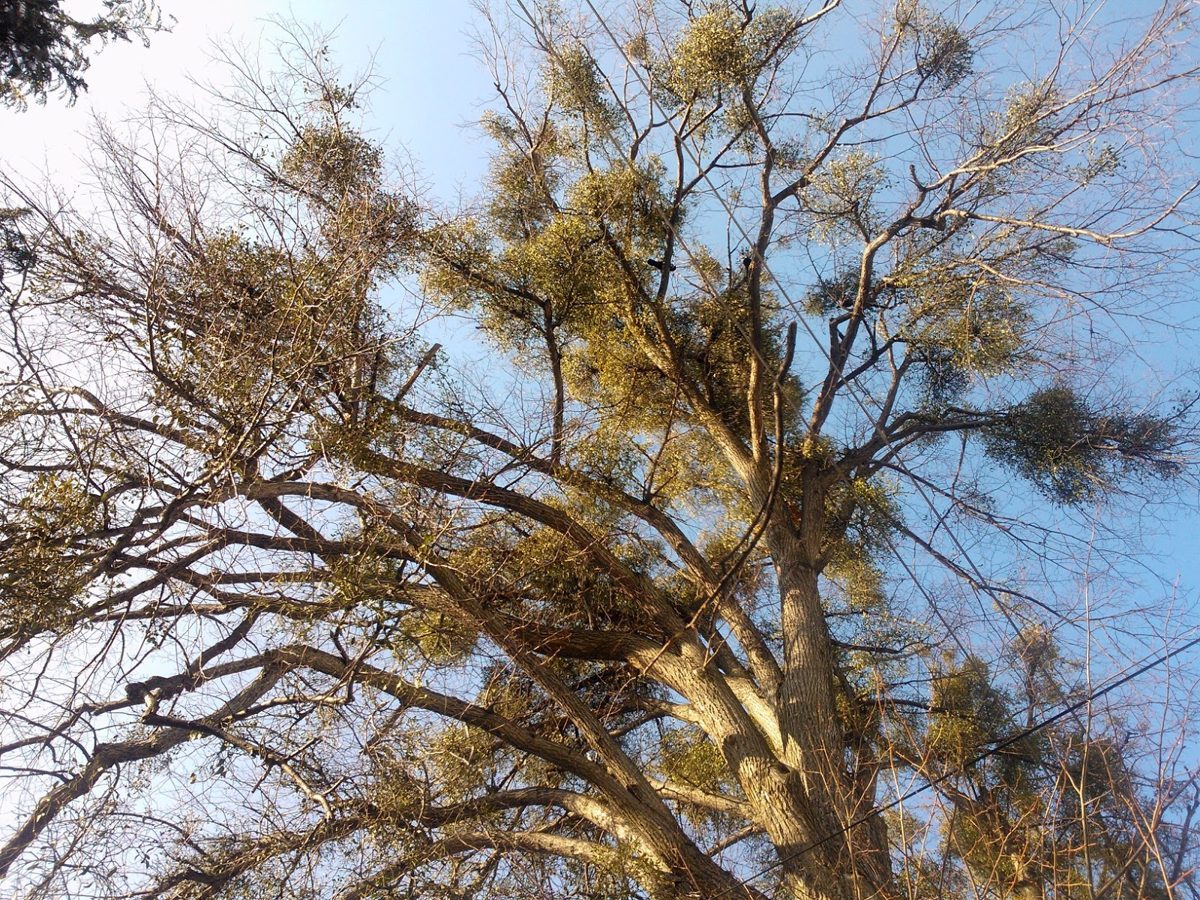
Mistletoe (Viscum album) is a plant with a rich tradition in herbal medicine. It contains, among other things, flavonoids (e.g. quercetin), amines (choline, acetylcholine, histamine), triterpenes, organic acids, glycoproteins (lectins) and viscotoxins. Its properties are still being studied.
Mistletoe and blood pressure
In traditional herbal medicine, mistletoe herb was used as a supportive remedy for high blood pressure, stress-related fluctuations in blood pressure and palpitations, including during the menopause. Its effect is mild and the scientific evidence is limited. Mistletoe is not a substitute for blood pressure medication; if you take such medication, talk to your doctor before using herbs.
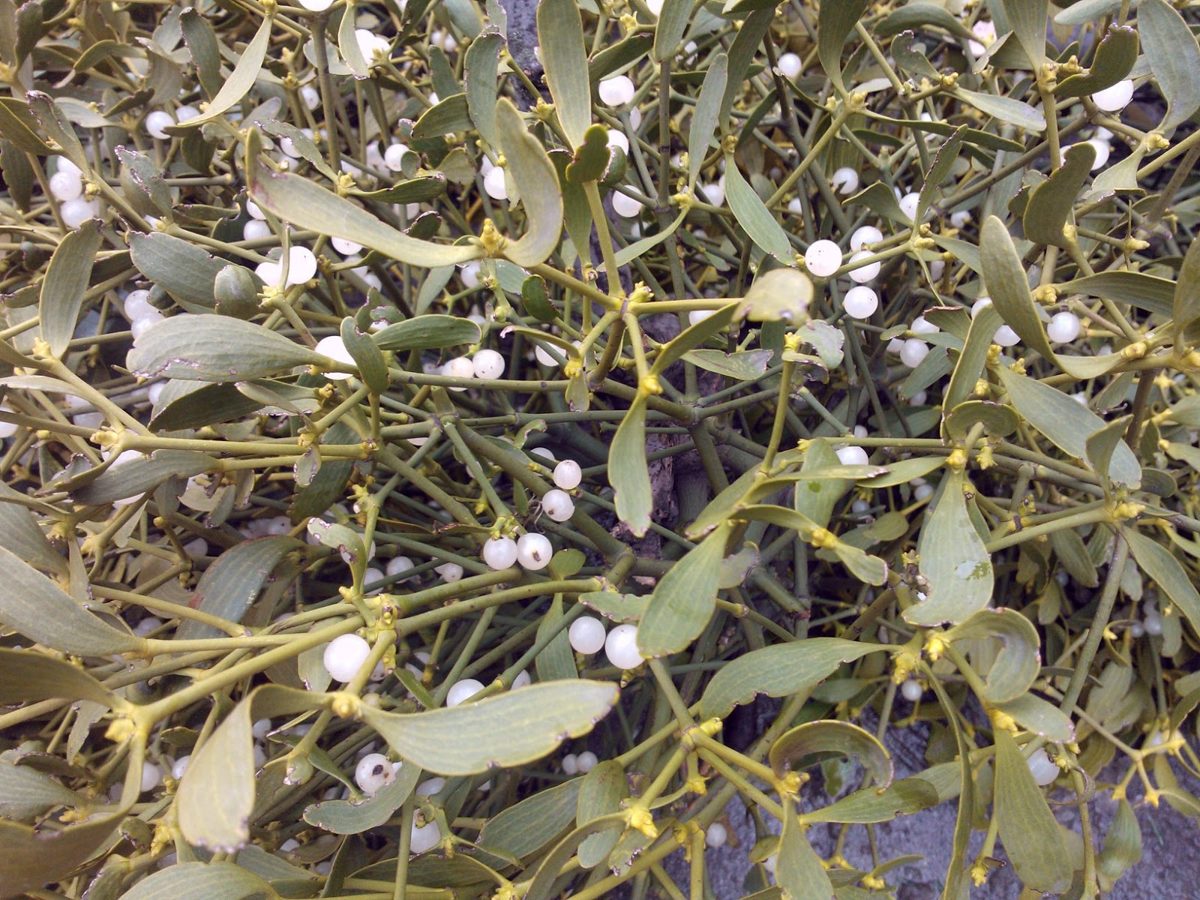
Mistletoe in cancer research
In some countries, especially Germany, mistletoe extracts (e.g. Iscador) are used as a complementary therapy in oncology – only alongside standard treatment and under medical supervision. Laboratory studies, including by scientists at the University of Adelaide, have shown that some extracts act on cancer cells in culture. The results of clinical trials, however, are inconclusive – mistletoe is not a cure for cancer and must not replace oncological treatment.
Safety
- Mistletoe berries (the white ones) are poisonous – they must not be eaten.
- Do not use mistletoe during pregnancy or breastfeeding, or in children, without consulting a doctor.
- Mistletoe may enhance the effect of blood pressure-lowering medicines.
Based on: medonet.pl
This article is for information and education only and does not replace medical advice. Please consult a doctor about any health problem. Legal notice.