I was inspired to write about this subject by a recent meeting with a charming, fairly young nurse (Western medicine), who in the past had struggled with thyroid problems and now, despite her fairly young age, has osteoporosis. She explained that despite following her doctors' recommendations strictly, her condition was not improving at all and, all in all, she was feeling worse and worse.
How does Chinese medicine view the problem of osteoporosis?
Once again I will refer to the lack of knowledge about the nature of food and its effect on the body. The example of osteoporosis clearly shows that what counts is not the composition of food but its nature.
It is a lifestyle disease that has been increasing especially in recent years in developed countries, where consumption of milk and all dairy products is enormous. Its occurrence is also linked to less exposure to sunlight.
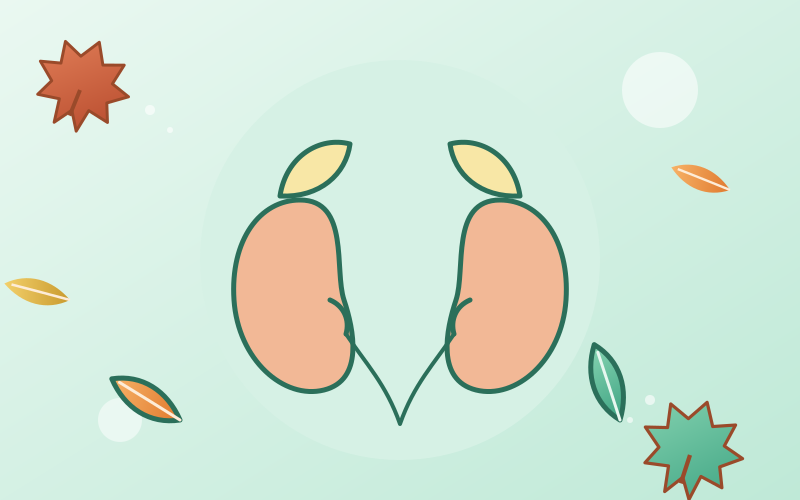
Osteoporosis is a disease of general weakness of the body (mainly the kidneys and spleen), caused by a long-term deficiency of Qi energy and warmth.
It arises when calcium is leached from the bones – when the blood calcium level drops and the parathyroid glands become overactive.
With osteoporosis there is always a deficiency of magnesium, zinc and vitamins A and D. Oestrogen and testosterone levels fall, stomach and liver complaints, premature menopause and gynaecological problems appear, and the quality of the skin, hair and nails deteriorates – symptoms typical of a chilled body.
Calcium being leached from the bones does not have to be the result of a lack of calcium in the diet!
Eating high-calcium foods (cheese, yoghurt) too often without adequate levels of vitamins D, A and E and magnesium at the same time blocks its absorption and disrupts cell metabolism.
Seemingly healthy food (low-fat curd cheese, milk, yoghurt, hard cheese, raw salads) is cooling and damp in nature, so it causes the body to produce dampness and mucus. It upsets the acid-base balance, preventing the proper absorption of vitamins A, D and E and of magnesium, zinc, iron and selenium.
Excess calcium contributes to allergies, rashes, coughs, runny noses and nervous excitability.
PREVENTION
Avoid foods that cool and acidify the body (see: The alkaline diet and osteoporosis) and foods with a lot of calcium. Meals should be warm, based on vegetables, with spices, meat, peas, beans and grains. Avoid cold drinks, ice cream, sweets and raw fruit. Take care to maintain proper levels of vitamins A, D and E and magnesium. Spend time in the sun – in careful doses, of course – and get enough exercise.
This article is for information and education only and does not replace medical advice. Please consult a doctor about any health problem. Legal notice.