This type of diet was recommended by Chinese medicine and later by natural medicine practitioners. Finally it received scientific confirmation and, following that, wider acceptance. Still, too few people are aware of its importance.
If your diet consists of meat, dairy, animal fat, sweets, eggs, refined products and foods made from them (sugar, flour, white rice), you are at risk of body acidification.
Symptoms of acidification may include:
Frequent bacterial and viral infections, such as flu and colds
Low energy and a constant feeling of tiredness even after rest
Muscle, bone and back pain
Osteoporosis
Gallbladder problems (e.g. stones)
Dry skin; dull hair that falls out
Spots, eczema and redness on the skin
Poor concentration, forgetfulness
Unstable weight – you put weight on easily and lose it with difficulty
Mood swings
An alkaline diet, which restores the body's acid-base balance, helps treat a variety of complaints.
An adult's body contains about 40 litres of fluid, and its natural reaction is alkaline. While the stomach is highly acidic because of digestive acids (pH 1.5 to 2.5), the other body fluids are alkaline – in a healthy body around 7.4.
Unfortunately, the food eaten by modern people (above all highly processed products, meat, dairy, coffee and alcohol) seriously upsets this balance. To maintain it, the body draws the substances it needs – calcium and magnesium – from the bones, making them more porous more quickly, and from other areas, which causes chronic fatigue, migraines, low moods and an inability to maintain a healthy, stable weight. If the body has to draw the elements needed to reduce the acidity of its fluids from itself, a deficit develops, causing further health problems and hormonal imbalance, and proper brain function is disrupted too.
The alkaline diet is recommended especially for women. An alkalising diet helps maintain proper calcium levels in the bones and thus counteracts osteoporosis.
To maintain a healthy alkaline reaction, 80% of our food should be alkaline in character and only 20% acidic.
THE ALKALINE PLATE
20% protein and carbohydrates (a small portion of meat, poultry, fish or seafood, plus a small portion of brown rice, buckwheat or pearl barley, or 2 small potatoes); the rest of the plate should be filled with vegetables, including green ones – broccoli, Brussels sprouts, celery, spinach.
Add lemon to your food and drinks (bear in mind its cooling thermal nature – you can balance it with hot foods). Most people think that because it is sour, it is also acid-forming. In fact, lemon and lime are the most alkaline fruits in our diet. You can sprinkle them on vegetables, fish or poultry, or add them to water (of which 8 glasses a day are recommended – not from plastic bottles, boiled, at a temperature suited to the season). It helps get rid of excess acid from the body.
Forbidden on the alkaline diet
caffeinated drinks (coffee, cola)
fatty meat
alcohol
junk food (including cakes, biscuits, crackers and other snacks)
fizzy drinks
fatty hard (yellow) cheeses
Recommended: 80% of the plate
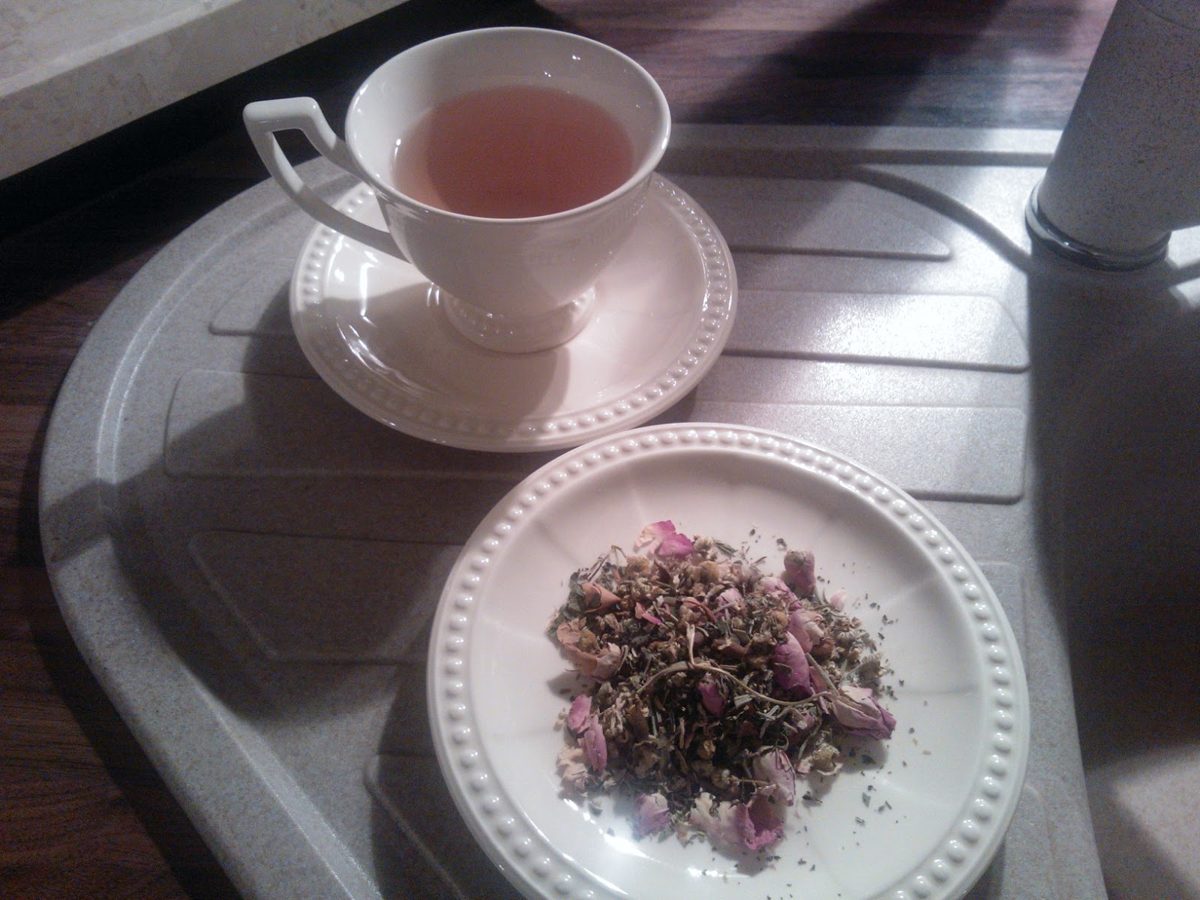
All seasonal vegetables and fruit, olive oils, herbal teas, natural juices (made from fresh vegetables, ideally at home and seasoned according to the time of year), natural honey
The other 20%
wholegrain bread or cornbread
poultry of known origin
yoghurt, cottage cheese or curd cheese (in the morning, with onion, garlic and herbs)
eggs, preferably free-range
fish, preferably local (also smoked)
beans, peas, brown rice, sunflower seeds
sweet and sour cherries (in season)
Two weeks on this diet should bring a significant improvement in wellbeing, and unwanted symptoms should start to subside. If you do not change your eating habits and give up acidifying foods, it is worth repeating the diet every 2–3 months to restore the body's balance and cleanse it of excess acid.
This article is for information and education only and does not replace medical advice. Please consult a doctor about any health problem. Legal notice.