Our body needs 90 nutrients every day.
Food of the right quality and quantity should provide 60 minerals, 16 vitamins, 12 amino acids and 3 essential fats.
Even if we consume huge amounts of vegetables and fruit, we may not be getting enough nutrients, especially if the produce we buy is not fresh and organic, or was grown in soil depleted of minerals by over-farming.
A prolonged deficiency of any of these nutrients can lead to various kinds of illness!
1. Magnesium
It is a cofactor in over 300 enzymatic reactions in the body. We start to run short of magnesium not only because the soil has been depleted of it and highly processed food lacks it, but also because of stress (a stress-free life – which does not mean an unambitious one – means much smaller magnesium losses...).
Symptoms of deficiency:
Insulin resistance, thirst/dehydration, constipation, migraines, restless legs syndrome, cramps, high blood pressure, fibromyalgia, a feeling of being unable to take a deep breath, so-called ADHD in children, muscle twitching, a twitching eyelid.
Good natural sources of magnesium:
Almonds, cashews, spinach, kale, black beans, cocoa.
(the body cannot use vitamin D without magnesium)
2. Vitamin D
Vitamin D deficiency is very common in Poland, especially in autumn and winter. Observational studies link low vitamin D levels with a higher risk of many diseases, so it is worth checking your blood level and supplementing in line with recommendations.
The body switches off vitamin D production from sunlight if its blood level gets too high.
With age, the ability to convert UVB sunlight decreases, and supplementation becomes necessary.
Potential toxicity of supplemented vitamin D is usually only considered at serum levels above 100 ng/ml in the 25(OH)D test, which can be done as a check every six months.
Even most mainstream experts in the US consider 30 ng/ml to be too low!
Recent studies quoted by Dr Mercola speak of even higher levels. If we used a 50–80 range, the figure of 40% of the world's population being vitamin D deficient would turn out to be even higher.
What should you pay attention to?
Where do you live? How much sun exposure do you get in a year?
Darker skin needs more time in the sun.
When you are 50 or older, you will not get enough vitamin D even from the sun, and your kidneys also become less efficient at converting vitamin D into the form the body uses.
If you are overweight or obese – but also if you have a lot of muscle mass – you will probably need more vitamin D than slim people with little muscle.
Bone pain, especially a painful sensation when you tap your breastbone, may indicate vitamin D deficiency.
Excessive tiredness, depression or permanent sadness and adrenal fatigue are also symptoms of vitamin D deficiency.
According to Dr Holick, one of the first signs of vitamin D deficiency is a sweaty head.
Mothers of newborns should pay particular attention to their baby's head sweating; irritability may also signal the beginning of a vitamin D3 deficiency.
Remember that vitamin D is fat-soluble, which means that if the state of your digestive tract impairs your ability to absorb fat, you may absorb fat-soluble vitamins such as vitamin D less well. Crohn's disease, coeliac disease, gluten intolerance and inflammatory bowel disease make you more prone to vitamin D3 deficiency.
Less sun, combined with increased exposure to environmental toxins and contaminated, highly processed food, should motivate many people to take 5,000 IU or even more of cholecalciferol, i.e. a vitamin D3 supplement, per day. Of course in a protocol with vitamin K2, already from 2,000 IU of D3.
3. Vitamin K2
It is essential for the health of the heart and brain and for strong bones, because it determines where calcium is deposited in our bodies. Without K2 the body may deposit calcium in undesirable places such as the arteries and soft tissues instead of the teeth and bones.
Symptoms of K2 deficiency:
- Calcifications in soft tissues, such as the breasts
- Bone spurs
- Tartar build-up on the teeth
- Tooth decay
- Osteoporosis
- Calcification of the arteries (atherosclerosis) and consequently heart disease
Green leafy vegetables are rich in vitamin K1, whereas K2 is found mainly in animal fats – but only from animals fed on grass or green plants. At first glance it is clear that even people who eat everything will be short of K2, because the meat of animals fed on grain or chemicals provides practically none of this vitamin.
Milk from grass-fed cows contains vitamin K2, while supermarket milk contains only trace amounts, if any.
The best natural sources of K2:
Butter from the milk of cows grazing on green grass
European goose liver – because in Europe geese still feed on green plants, while elsewhere they are fed only grain
Eggs (the yolk) from hens that eat vegetables (not grain – so organic farming alone is not enough)
Natto (specially fermented soya; dried natto is also an option)
K2 comes in two forms: MK-4 and MK-7.
MK-4 is found in organic meat and has a short half-life of only about 1 hour. So MK-4 has to be taken several times a day for a satisfactory effect.
Studies have not shown an increase in serum vitamin K2 from MK-4 supplementation, so such supplementation is essentially pointless.
MK-7 from natto has a much longer half-life and can therefore be taken just once a day, which makes it a much more effective and convenient form of K2 that can – and in most cases should – be supplemented.
Studies have shown that MK-7 supplements raise blood levels of K2, which is exactly the point.
So what are your options? Either organic meat/liver (and you need to be absolutely sure what the animals were fed), or K2 from natto – a dish that most Europeans find exceptionally unpalatable – or MK-7 from a supplement.
4. Iron
Iron is the main component of red blood cells, where it binds to haemoglobin and transports oxygen to the cells. Iron deficiency is one of the most common nutritional deficiencies in the world, affecting more than 25% of the population.
Symptoms of deficiency
Anaemia,
Tiredness,
Weakness,
A weakened immune system,
Impaired brain function.
What are good sources of iron?
Eating foods rich in vitamin C, such as oranges, kale and peppers, together with iron-rich foods helps increase iron absorption. Haem iron, i.e. iron from animal foods, is absorbed most easily.
But…
Unlike vitamin D, when it comes to iron we should rather be happy with the lower end of the range, because iron is a strong pro-inflammatory factor in the body. So we need to be careful, just as with omega-6 fatty acids.
However, iron deficiency severely affects our lives, and vegans in particular may have problems with it. Vegetarians, in turn, often make the basic mistake of leaving the egg yolks out of their omelettes. Unfortunately, the presence of egg white in scrambled eggs alone limits the absorption of iron from the yolk – let alone in mainstream egg-white omelettes.
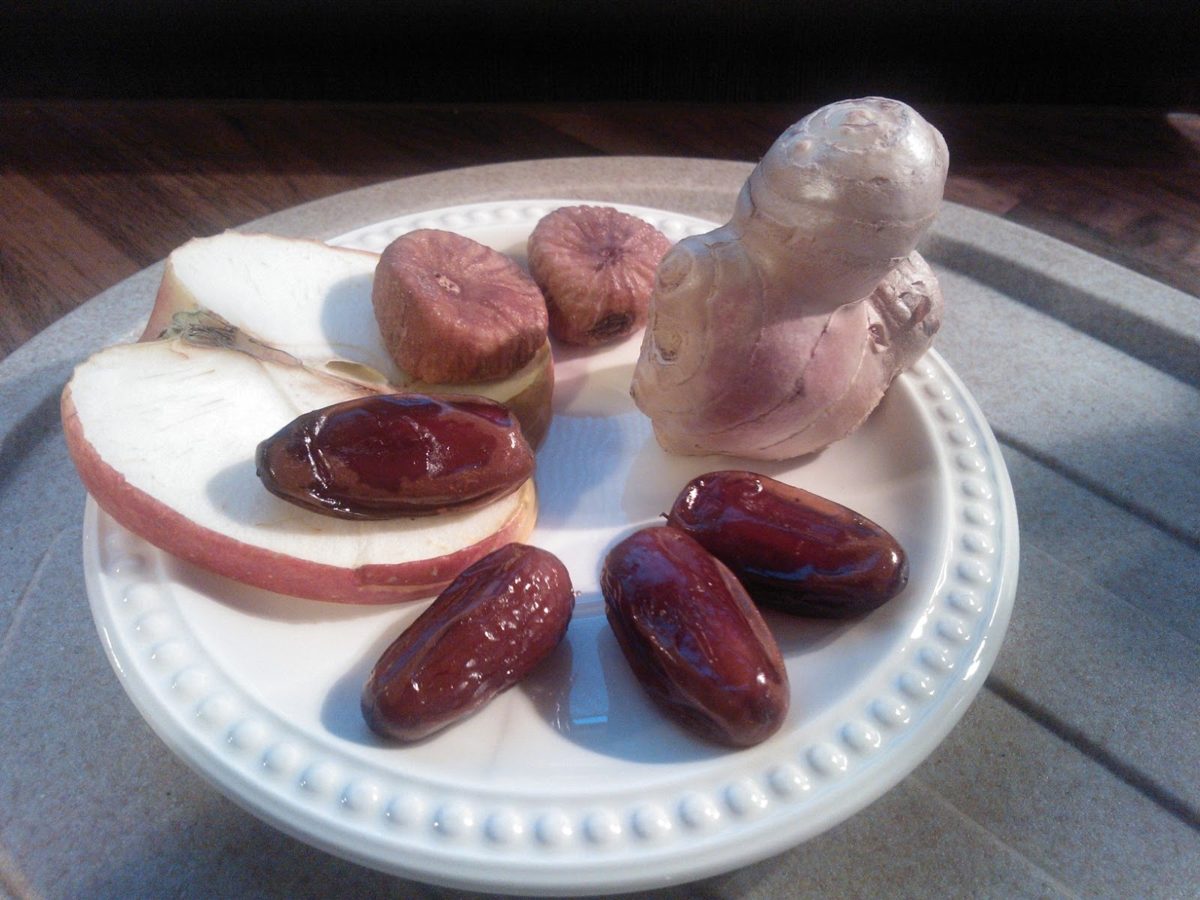
Dates, chlorella and spirulina are particularly good sources of non-haem iron. They are also very useful for pregnant women.
Excess iron and vitamin C
Older people and people with excess iron, most often those with haemochromatosis, are afraid of taking vitamin C because conventional doctors warn that it may increase iron absorption.
In reality this applies only to low doses of vitamin C. Excess iron in its oxidised form results from problems with redox balance, which can supposedly be corrected by taking 10 g of sodium ascorbate a day at regular intervals.
Dates are invaluable in the postnatal period!
5. Calcium
According to scientists, people all over the world are short of calcium.
Symptoms of calcium deficiency:
Tiredness,
Muscle cramps,
Heart rhythm disorders,
Poor appetite,
Weak bones
You should, however, be very careful with calcium supplements, even though calcium is essential for the health of every single cell. Calcium mineralises bones and teeth and is especially needed during periods of rapid growth.
Silicon?
Many believe that a good solution might be… silicon? And when we say silicon, we mean our common field horsetail, which everyone has seen, knows, picked and played with as a child.
How can horsetail help make bones denser, i.e. deliver calcium to them?
The high silicon content of horsetail (although it is hard to extract silicon from horsetail and absorb it) contributes to increased bone density – in a way "recharging" bones with calcium – but this has been best explained by biological transmutation (more in the post on silicon).
Good natural sources of calcium:
Good sources of calcium are goat's yoghurt, cheese, calcium-fortified orange juice and dark green vegetables.
6. Iodine
Iodine is a trace mineral, but with huge consequences for our health, especially for the thyroid.
Symptoms of iodine deficiency:
- Hypothyroidism,
- Goitre,
- Cretinism,
- And also cancers,
- Including breast cancer
Good natural sources of iodine?
Sea vegetables, nori, seafood, fish, shellfish. The last few should be wild, i.e. sustainably caught, or organically farmed.
Iodine standards may be set as much as a hundred times too low!
However, if you have health problems and an iodine deficiency, be careful with natural iodine supplementation and focus on elemental iodine. People with Hashimoto's sometimes even have to leave seaside areas. Some make their own Lugol's solution and, for greater safety, apply it to the skin – always consult such steps with your doctor.
7. Selenium
Selenium is extremely important for health for many reasons, but above all because it is essential for forming selenoproteins, which in turn are essential for producing glutathione peroxidase. Glutathione is one of the most important endogenous (i.e. produced inside the body) antioxidants. It is generally believed that increasing glutathione peroxidase helps reduce the incidence of cancer of any kind.
Symptoms of selenium deficiency:
- Hypothyroidism
- Hair loss, in severe cases all over the body, including the armpits. People with cancer and older people often lose their hair for this reason too.
- Whitening of the nails
- Low immunity
- Constant tiredness
- Brain fog and difficulty concentrating
- Miscarriages and low male fertility (papaya seeds are recommended)
There is of course an ongoing debate about how much selenium we should consume, but the accepted amount in the US is 55 mcg a day for adults. In the UK, 75 mcg a day is recommended for men and 60 mcg for women.
Bear in mind that selenium can be toxic at extremely high intakes; 40 times the American dose is considered toxic. Common sense, however, says to stop well before that.
Many naturopaths in fact advise taking up to 400 mcg of selenium a day as a safe long-term level.
The best sources of selenium are prawns, sardines, salmon and tuna, organic turkey and chicken, and organic beef. Plant sources of selenium are garlic, barley, oats, brown rice, sesame, sunflower seeds, broccoli, asparagus and spinach.
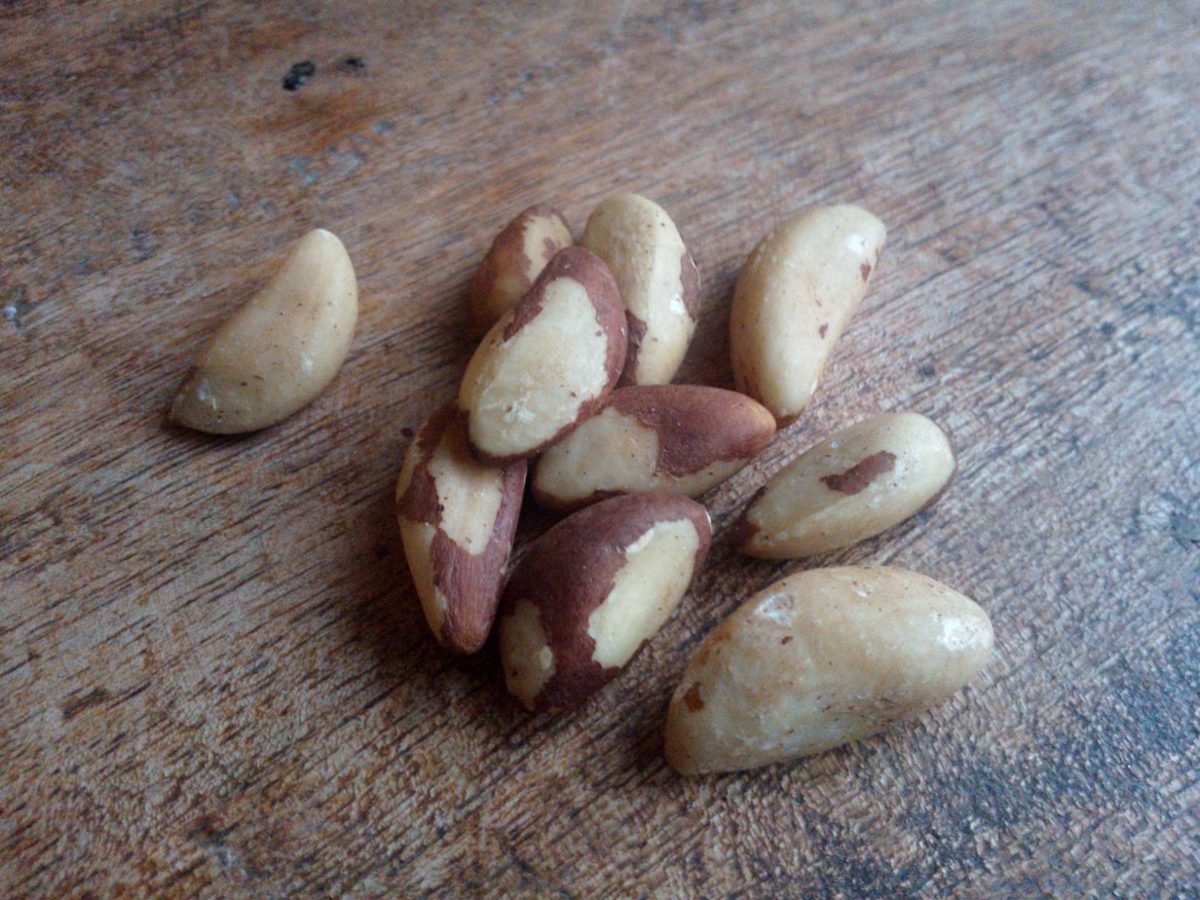
And of course the best-known plant source of all is Brazil nuts. Apparently 2–3 nuts a day are enough. There are, however, obstacles: nuts vary in their selenium content, they are often mouldy, and our absorption may be impaired – which is also common and depends on our general health and, as usual, age.
8. Boron
Boron is a trace element essential for our health, as it improves the body's natural ability to absorb calcium and magnesium.
Although the full range of boron deficiency symptoms is not completely understood, it is certain that boron deficiency can lead to abnormal calcium and magnesium metabolism.
Some other symptoms are:
- Hyperthyroidism,
- Sex hormone imbalance,
- Osteoporosis,
- Arthritis
- Neuronal failures
Boron is an essential trace element, but it is very often overlooked.
Meanwhile, the health benefits of boron can be very significant:
It helps prevent arthritis
It reduces the severity of rheumatoid arthritis
It builds the body and bones
It may increase testosterone levels in men, but it also affects oestrogens. It may increase their production, which may eliminate the need – if there is one at all – for hormone replacement therapy. It also helps prevent post-menopausal osteoporosis.
The role of boron, like that of silicon, in building bone is often overlooked in favour of calcium.
Boron is essential for the embryonic development of the foetus
It improves the health of cell membranes
It helps prevent blood clots
It eases problems caused by congestive heart failure
It significantly reduces fungal infections
It improves brain function
It has a positive effect on enzymes – it inhibits harmful ones and at the same time serves as a cofactor for other, beneficial enzymatic reactions
But of course even good things should be consumed in moderation; the symptoms of boron poisoning, i.e. overdose, are nausea, vomiting, weakness and dermatitis, and in some cases abnormalities of the skeleton.
Boron is usually easily absorbed and excreted in the urine.
However, in people with kidney disease boron can accumulate in the heart, kidneys, brain and other soft tissues, so you should be aware of how much boron you take – especially if you use supplements with a high boron concentration.
Magnesium blocks the absorption of boron, which can sometimes also cause deficiencies.
9. Vitamin C
When everything is going reasonably well and the diet is rich in bioflavonoids from citrus fruit, acerola, rose petals, red peppers and cruciferous vegetables, the body probably copes with vitamin C, even though it cannot produce it itself.
But the slightest inflammation – a wasp sting, cystitis or any other inflammatory condition, poisoning, toothache – is enough for vitamin C levels to start falling.
In the case of cancer, you can imagine how much vitamin C will be lacking with such chronic inflammation...
The same applies to hypothyroidism, heart disease, cellular hypoxia, oxygen free radicals and lung problems.
Do a calibration first, then take it.
Of course, if your iron level is high, you need to look into it and deal with it appropriately, because vitamin C will further promote iron absorption.
10. Cobalt
Soya plants die within 2 weeks if there is too little cobalt in the soil. Animals need to be given cobalt. Cows are given salt licks because they contain cobalt too. Cobalt is needed to produce B12 in the gut.
We have often read about strict vegans who never took a B12 supplement and somehow survived. It is not really clear how, because vitamin B12 is produced in the last part of the digestive tract and can hardly be used by our body from there.
But perhaps cobalt solves this riddle? Perhaps cobalamin is produced because they have adequate stores of cobalt.
Cobalt works together with iodine to promote normal thyroid function.
A lack of cobalt in the soil, like the growing shortage of iodine in the environment, causes serious diseases. Animals and plants fall ill. And so, of course, do humans.
Our bodies can store vitamin B12 in the liver for several, or even more than ten, years.
Functions of cobalt:
Cobalt is essential for normal pancreatic function
It is required for the formation of haemoglobin
It promotes normal growth of the human body
It also plays an important role in iron absorption
Some symptoms of cobalt deficiency
Chronic fatigue syndrome,
Slow muscle growth,
Nerve damage,
Fibromyalgia,
Digestive disorders,
Pernicious anaemia and poor circulation
Natural sources of cobalt
Organic apricots, sea vegetables, Irish moss, nuts, grains (such as oats), green leafy vegetables (such as broccoli and spinach) and apricot kernels.
VITAMIN B12 is the only vitamin that contains a trace element – cobalt.
11. Very important for cell growth is phosphorus (700 mg a day), found in pumpkin seeds, sunflower seeds, pine nuts, linseed and Brazil nuts.
12. Potassium (4,700 mg), a deficiency of which causes alarming symptoms such as paralysis, palpitations, muscle tetany and the like – so eat bananas, tomatoes, roasted chestnuts, porcini mushrooms and avocado.
13. Sulphur (500 mg): as soon as we run short of it, our skin and scalp itch, our joints and head ache, we get diarrhoea and haemorrhoids, and we are even at risk of impotence, bloating and other more serious consequences. So let us eat spinach, strawberries, tomatoes, artichokes, peaches and pears, and aloe (yes, really).
14. Sodium (1,500 mg) is also needed, but it is very easy to get enough. Unless you run marathons or spend the summer in India, it is usually harder to keep excess sodium in check.
15. Chlorine is the main anion in the body, which also helps prevent excessive fat accumulation; symptoms of deficiency are excessive sweating, kidney disorders, even congestive heart failure, and hair loss. Chlorine is found in wheat and pulses, but also in rock salt.
16. Molybdenum, of which a minimal amount of 45 µg (micrograms) must be supplied every day, otherwise we may have liver problems, perhaps jaundice, rapid breathing, seizures and other terrible things.
Sulphur and its problems
Many people have problems with sulphur, both in food and in MSM. That is why they cannot benefit from a mixture of ascorbic acid and MSM. It turns out that molybdenum supplementation (at a dose of about 500 mcg a day) can be very helpful, as it activates the enzyme that oxidises sulphur compounds into sulphates.
17. Copper.
Only a tiny amount, but 900 µg (micrograms) must be supplied. Finally we have copper's antagonist – number 18, zinc – about which I will write a little more.
18. Zinc
Zinc is an essential trace element, and although extreme, fatal deficiencies are rare, zinc deficiency is the fifth leading risk factor for disease worldwide. Plants and animals also need zinc to live.
Symptoms of zinc deficiency
Weakened neurological function, i.e. problems with concentration and motor skills
As usual, reduced immunity – on many levels, including the number of T lymphocytes and the protection of cell membranes.
Diarrhoea (in infants, zinc only works for diarrhoea in babies at least six months old – but of course this is for the paediatrician to decide)
All kinds of food and environmental allergies
Thinning hair – which has a lot to do with adrenal fatigue, an underactive thyroid, or both at once.
Leaky gut
Acne or rashes
Vertical ridges on the nails
Particular risk factors for zinc deficiency:
Alcoholism
Diabetes
Haemodialysis
HIV
Nutrient malabsorption syndrome
Rheumatoid arthritis, but also
Premature babies
Breastfed babies and older children on a low-zinc diet
Pregnant and breastfeeding women
Patients fed intravenously
People with anorexia or bulimia
Sickle cell anaemia
Being over 65
Taking antibiotics and other medicines that reduce zinc absorption
And strict vegans:
In this case dietary zinc requirements should be as much as 50% higher, especially on diets high in grains and nuts, i.e. phytic acid, as these reduce zinc absorption.
Do not forget that zinc is an antagonist of copper, which means that when we are short of zinc, copper starts to take over – and copper toxicity is very bad for health. Conversely, excessive zinc intake can lead to copper deficiency, and small amounts of copper are essential for our health.
Daily zinc requirements, according to Dr Axe
0–6 months – 2 mg
7–12 months – 3 mg
1–3 years – 3 mg
4–8 years – 5 mg
9–13 years – 8 mg
14–18 years – 11 mg for boys, 9 mg for girls; during pregnancy – 12 mg, during breastfeeding – 13 mg
19 years and over – 11 mg for men, 8 mg for women; during pregnancy – 11 mg, during lactation – 12 mg
Where to get zinc?
Pumpkin seeds, half a cup = 8.4 mg (57% of daily requirement)
Grass-fed beef 100 g, lamb 100 g = 5.2 mg (32% DR)
Cashews, half a cup = 3.8 mg (25% DR)
Chickpeas (garbanzo beans), 1 cup cooked = 2.5 mg (17% DR)
Mushrooms, 1 cup cooked = 1.9 mg (13% DR)
Kefir or yoghurt, 1 cup = 1.4 mg (10% DR)
Spinach, 1 cup cooked = 1.4 mg (9% DR)
Cocoa powder, 1 tablespoon = 0.4 mg (2% DR)
Watermelon and courgettes also contain quite a lot of zinc.
Based on:
http://oczymlekarze.pl, http://www.pepsieliot.com
This article is for information and education only and does not replace medical advice. Please consult a doctor about any health problem. Legal notice.