When you catch a cold, flu or another infection – and with many health problems in general – vitamin C can significantly shorten their duration. Vitamin C stimulates the immune system by boosting the growth and efficiency of immune cells.
The need for vitamin C reflects your state of health. The sicker a person is – or even if they look as fit as a fiddle but are contaminated with toxic metals, of which there are plenty in today's air – the more vitamin C they need!
The recommended daily intake of vitamin C is about 75–90 mg for adults. Some specialists believe that during periods of increased need – with an infection, stress or smoking – it is worth taking more, ideally after consulting a specialist.
If everyone knew how to use high doses of vitamin C – ascorbate orally and intravenously – it would be a financial disaster for the pharmaceutical industry.
In nature, vitamin C occurs as L-ascorbic acid (the so-called left-handed form of vitamin C). The letter L is very important, because there is also D-ascorbic acid (the right-handed form), which is like a mirror image of the first. It has no therapeutic effect – it is just unnecessary ballast that acidifies the body.
L-ascorbic acid is one of the most effective antibacterial and antiviral agents and one of the best at improving the efficiency of the immune system.
During any infectious illness, the need for larger amounts of antioxidants increases enormously (including vitamin C with bioflavonoids, vitamin E, beta-carotene, zinc, selenium, coenzyme Q10).
As regards the immune system, vitamin C supports the adrenal glands during periods of intense effort, supports the production of interferon and strengthens the antiviral, antifungal and antibacterial action of white blood cells.
Vitamin C deficiency causes a drop in the number of T lymphocytes, on which the immune system relies.
Vitamin C is an essential building block of the intercellular substance that forms the connections of the capillaries. These connections can weaken, allowing bacteria or viruses to penetrate the brain. When the concentration of vitamin C in the blood drops to 1 mg per litre, the capillaries become especially fragile.
A high level of vitamin C in the body promotes maximum glycogen stores in the liver and strengthens its detoxifying functions. According to the author, during an infection you can safely increase your intake to over 10 grams a day.
Studies have found no disorders even after daily doses of around 10 g given over several years. There is also no evidence of a link between taking natural vitamin C and the formation of urinary stones, which may occur when taking synthetic vitamin C combined with eating a lot of animal protein and, for example, pasteurised milk. To eliminate this risk, include vegetables, fruit and spices in your diet – i.e. take bioflavonoids at the same time, e.g. grapefruit seed extract (such as Citrosept), or eat rose hips, blackcurrants, hawthorn, horseradish, basil, parsley and other edible plants containing bioflavonoids, such as acerola, camu camu and amalaki. Concerns that vitamin C promotes the accumulation of excess iron in the body have not been confirmed either.
A teaspoon holds about 5 grams of L-ascorbic acid, i.e. 5,000 milligrams.
A level teaspoon is about 3 g, i.e. 3,000 mg.
In what form should you take vitamin C?
a glass of lukewarm water
1 teaspoon of L-ascorbic acid
2–3 teaspoons of birch sugar (xylitol) or honey.
In the case of infection, to find the right dose for you, you need to go through a so-called calibration process. If, as you increase your vitamin C intake, you notice a specific gurgling in your stomach and loose stools, it means your body has reached saturation point. Reduce the next dose, but keep supplementing regularly.
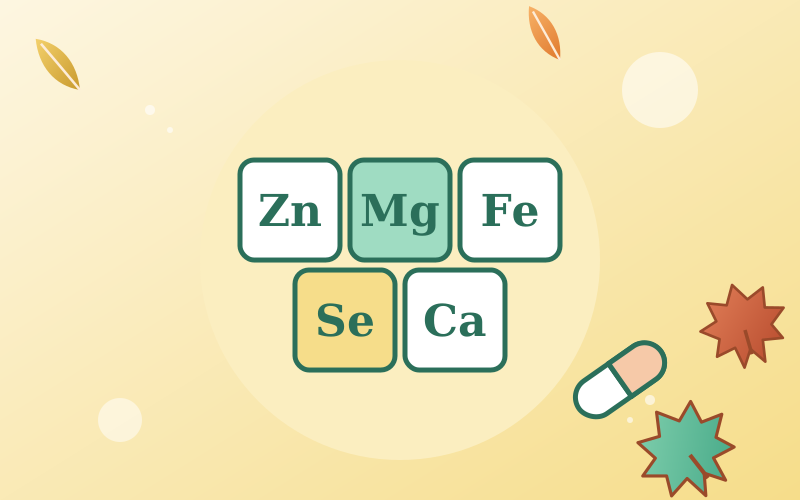
For people with a sensitive stomach (irritable bowel syndrome, ulcers, etc.), buffered vitamin C (less acidic) may be a more suitable form – in compounds with other elements (calcium, sodium, magnesium, zinc, chromium L-ascorbates, etc.).
The question remains where to buy it if not in a pharmacy…? It is possible online from a reliable source:
Based on: J. Zięba
This article is for information and education only and does not replace medical advice. Please consult a doctor about any health problem. Legal notice.