The paleo diet is based on the presumed diet of our Palaeolithic ancestors. It eliminates foods that our ancestors did not eat and to which our bodies have not adapted.
Today it consists mainly of vegetables, fruit, eggs, nuts, fish, mushrooms and meat (preferably pasture-raised), and excludes grains, sugar and refined oils, and in some cases also pulses and dairy. Its natural consequence is eating less salt and fewer calories, which has an additional positive effect on health. It is not a diet in the popular sense of the word, because it does not limit the quantity of food – only its quality.
To begin with:
It is best to set a trial period (4 weeks) that avoids holidays, festive seasons and other special occasions.
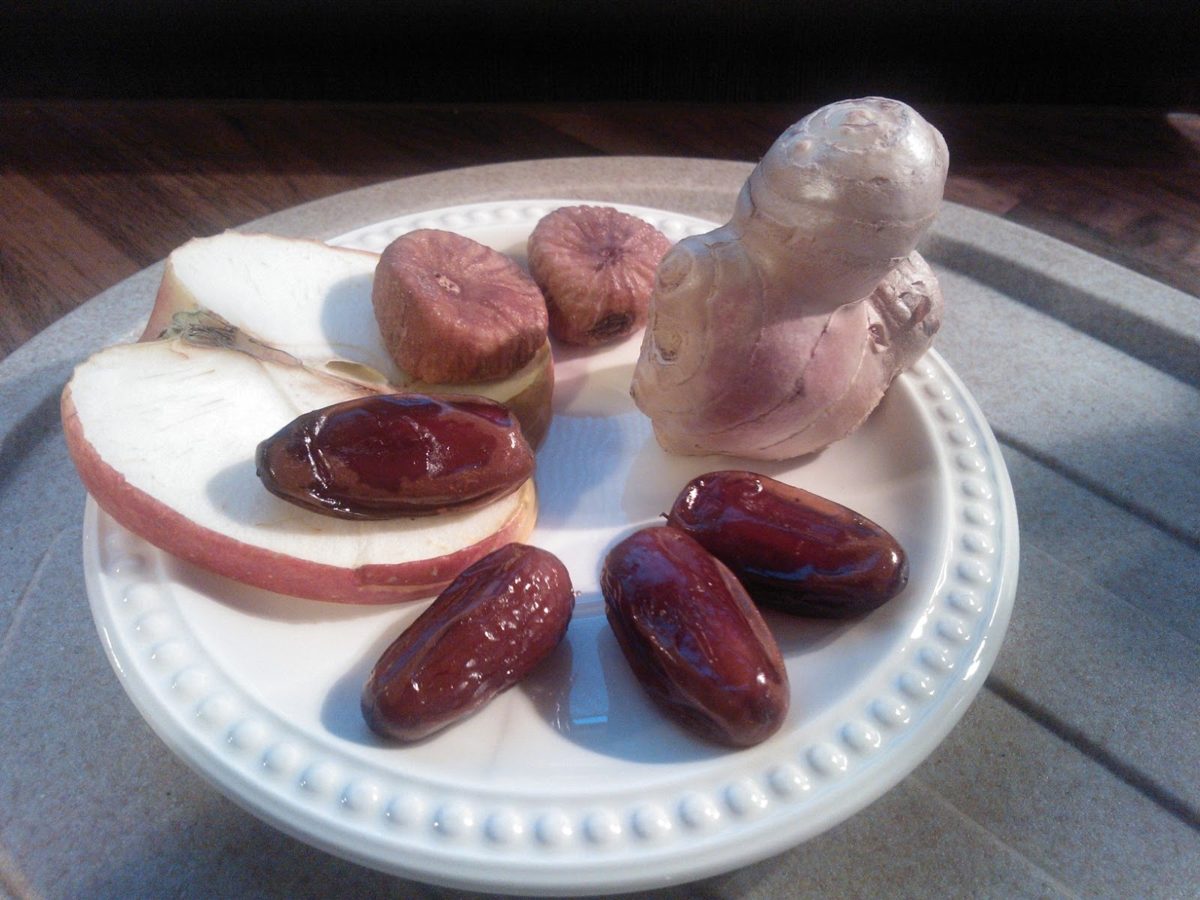
Snacks and a plan for dealing with sugar cravings – keep to hand: carrots, apples, dark chocolate (70% or more – it does have a little sugar 😊), nuts – anything that is not made of sugar or grains.
First of all, stop eating grains and sugar – especially bread, pasta, other foods made with flour, cakes and sweets. You can eat white rice or buckwheat, but not much and only once a day. Eat everything you have eaten so far, just without bread. You must eat fat (butter, lard, olive oil…) – fat is healthy and necessary.
Food: breakfasts seem a problem at first – scrambled eggs, omelettes, paleo pancakes (bananas + eggs), fruit and vegetable salads, hard-boiled eggs with cold cuts and cheese, paleo breads, full-fat curd cheese with vegetables.
Lunches/dinners are simple – steamed vegetables or salads with meat, fish or a hard-boiled egg. Hunter's stew (bigos), potato pancakes or anything else grain-free that you usually eat will also work.
Adapt your bread-free diet to yourself – eating habits are very strong, so it is best to avoid a big kitchen revolution and try to eat what you have eaten so far, just without grains.
The paleo diet for beginners is safe for everyone, with a few caveats:
If you take medication to lower blood sugar, cholesterol or blood pressure, consult your doctor before changing your diet – a change in eating habits may affect the doses you need, but only your doctor can decide on them;
Kidney disease: increasing your protein intake may be a problem in some cases – ask your doctor;
Gallbladder problems (attacks, gallstones): a sudden increase in dietary fat may not be advisable – first the gallbladder needs to be treated on a grain-free diet, and only then should you eat more fat – do this under medical supervision;
Cancer, heart disease and liver disease are not a good time for radical dietary changes – introduce changes slowly and carefully, and ask your doctor if in doubt.
Pregnancy and breastfeeding are not the time to radically restrict carbohydrates or suddenly turn your diet upside down – although cutting down on junk food is always a good idea.
Based on: paleosmak.pl
This article is for information and education only and does not replace medical advice. Please consult a doctor about any health problem. Legal notice.