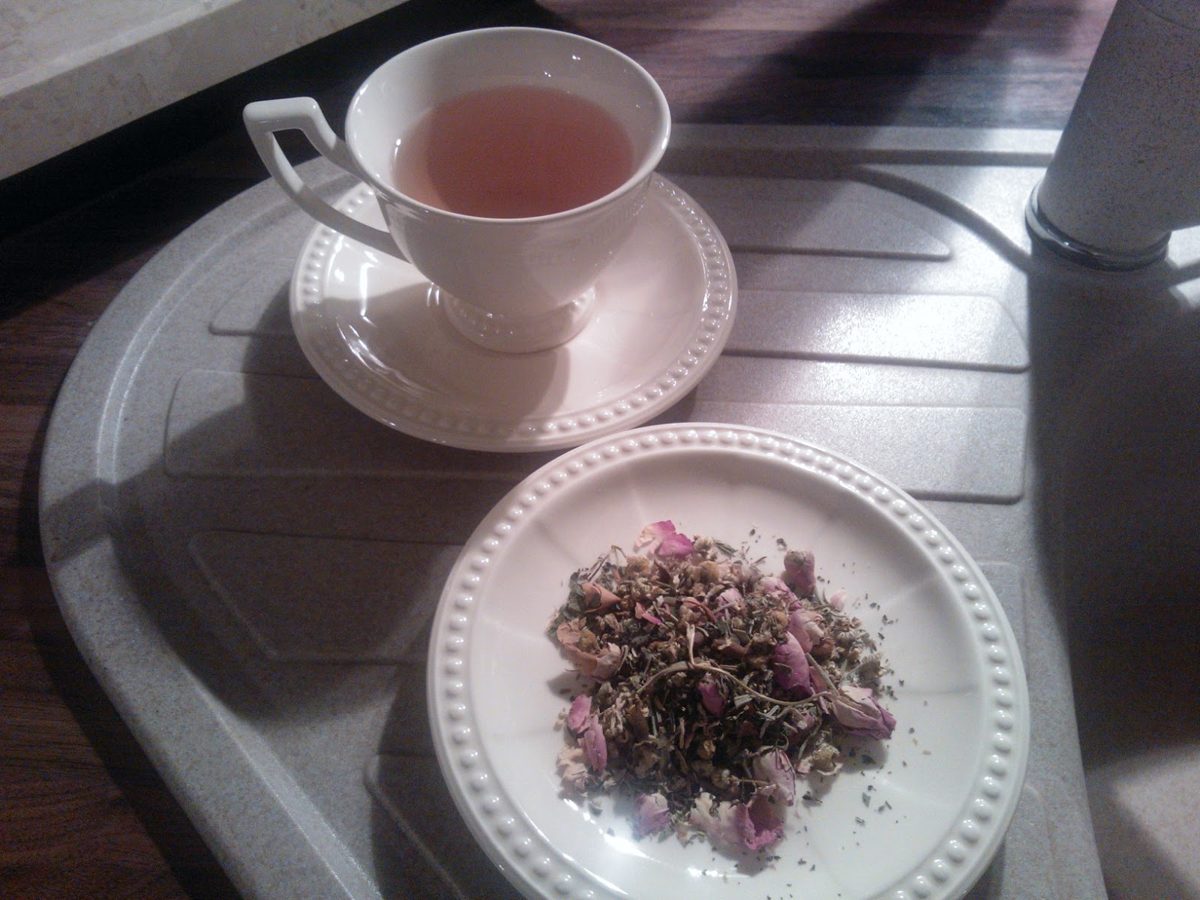
Dried fruit and nuts (raisins, figs, dates, almonds) are a must on our festive tables.
They are added to cakes or eaten as a snack.
Going by the seasons, winter is the best time to eat dried fruit and nuts.
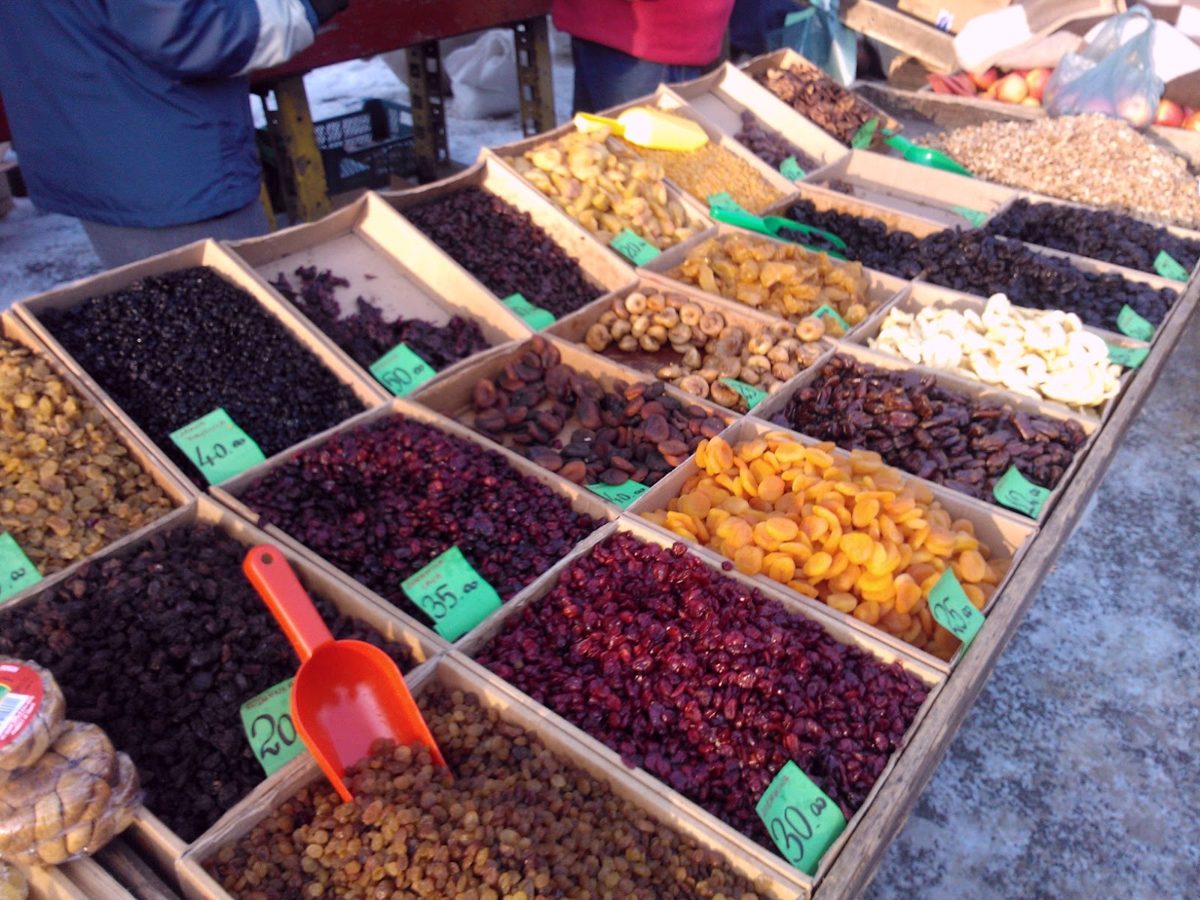
The Polish word for dried fruit and nuts, "bakalie", most probably comes from the Arabic "bakkal", used to describe spice merchants. Another hypothesis points to the Latin word "bacca" (berry). The first dried fruit and nuts reached Poland from the Far East and the Mediterranean countries. They were eaten several hundred years ago, mainly during the festive season, and were an indispensable addition to sweet baking. Today they are increasingly part of our everyday menu. Some value them as a sugar substitute and use them to sweeten dishes or as an alternative to sweets.
Over time, processing was "enriched" with additional steps. To preserve shelf life and an attractive appearance (especially of dried apricots), sulphuring was introduced – preserving dried fruit with sulphur dioxide (shown on the packaging as E220). This keeps the fruit fresh and attractive for longer. The latter is especially noticeable with dried apricots. Sulphured dried apricots keep their beautiful orange colour, while unsulphured ones darken. A nicer appearance does not go hand in hand with health benefits. What is more, in particularly sensitive or allergic people, eating sulphured dried fruit can cause nausea and headaches.
With other dried fruit it is practically impossible to tell sulphured from unsulphured products. Information on whether a product has been sulphured should be on the label. This technology is not permitted in organic production, so the organic farming logo means the product has not been sulphured.
Organic dried fruit and nuts from certified organic farms are grown without artificial sprays, mainly with organic fertilisers. Unacceptable pesticide residues are ruled out. They are dried by natural methods or using modern, environmentally friendly techniques (e.g. solar dryers).
Organic dried fruit and nuts should be labelled like any other organic food (the EU "Euro-leaf" or the old EU logo). Every organic product should also show the code of the certification body and the producer's details.

Remember to store dried fruit and nuts properly (and dry them if necessary) to prevent harmful mould. A dark, cool place is best.
Dried apricots – are rich in dietary fibre and beta-carotene (dried apricots contain even more than fresh ones picked from the tree). Beta-carotene helps strengthen immunity and can be part of an anti-cancer diet.
Raisins – improve concentration and digestion and boost immunity. Raisins contain B vitamins, which support the metabolic processes of the nervous system. Thanks to their potassium content, dried grapes may help lower blood pressure. Tartaric acid, present in both fresh grapes and raisins, benefits the large intestine.
Figs – help lower cholesterol, have a laxative effect, support bowel function and are a good source of calcium. They neutralise the effect of acidic foods on our body. Eating figs regularly provides essential energy for the nerves and brain (in Arab countries figs were regarded as one of the oldest remedies).
Dates – contain plenty of minerals and carbohydrates. They help provide the body with a lot of energy, which is why they are valued by active people and athletes.
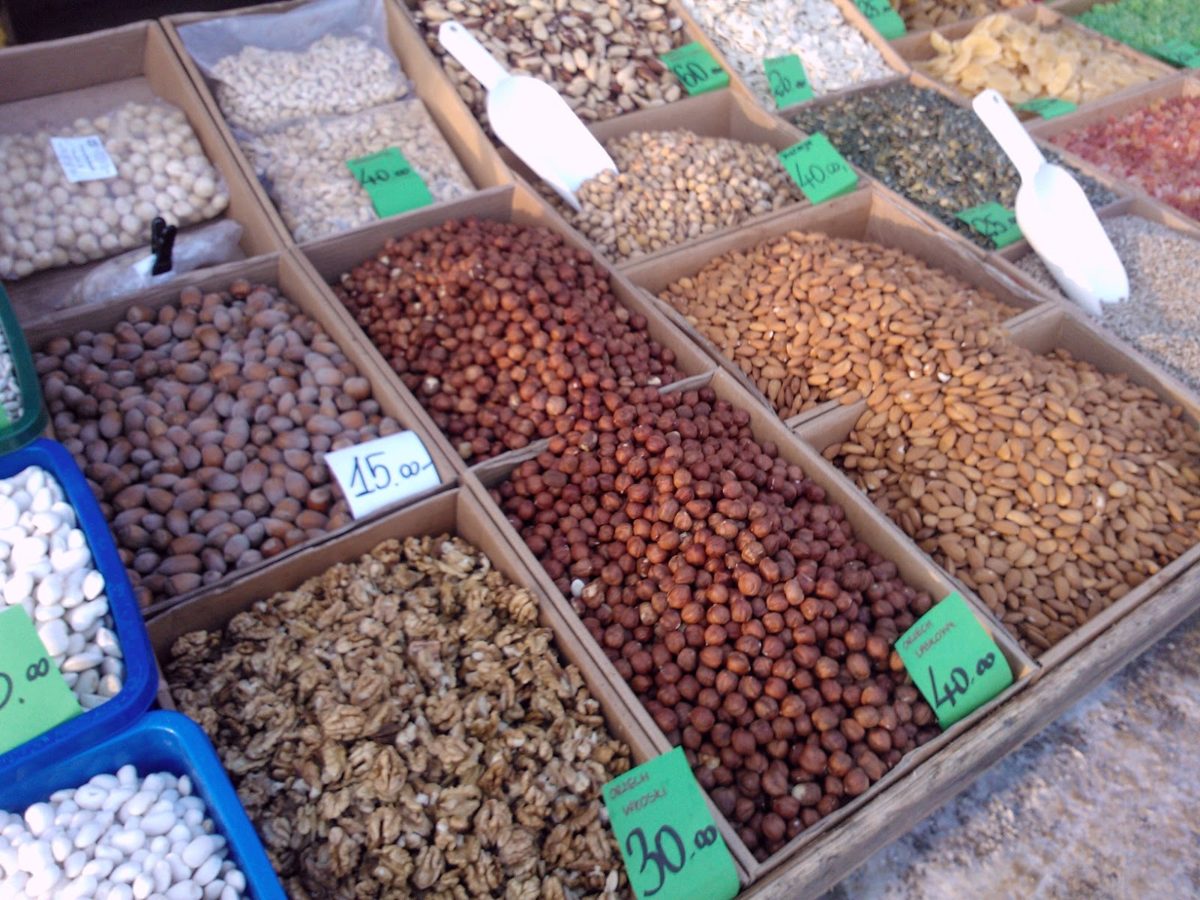
Nuts – walnuts, hazelnuts, pistachios, peanuts, cashews, almonds.
Nuts are rich in protein. Because of their high fat content (but "good" fats, in the form of unsaturated fatty acids, which benefit the circulatory system and the heart), they are used to make various nut butters and oils. Nuts are also a very good source of calcium, which benefits teeth and bones, among other things.
Based on: http://www.biokurier.pl/
This article is for information and education only and does not replace medical advice. Please consult a doctor about any health problem. Legal notice.